How the schedule works
In India, the first vaccines are given at birth, followed by a series of doses during the first year, boosters in the second year, and further doses at school age and in adolescence. Some vaccines need several doses to give full protection.
India's Universal Immunisation Programme (UIP) provides recommended vaccines free at government centres. The Indian Academy of Pediatrics also recommends some additional vaccines, which are available privately. Your paediatrician will explain which vaccines your child is due for and the options available.
Keep the vaccination record safe
Bring your child's vaccination card to every visit. India's U-WIN platform can also keep a digital record of vaccinations given under the national programme.
Missed a dose?
Don't worry — missed doses can usually be caught up without restarting the whole course. Bring the card so the doctor can plan the catch-up doses.
After the injection
- Mild fever, soreness or redness at the injection site are common and usually settle within a day or two
- Your child may be fussy or sleepy for a short while
- Seek help immediately for difficulty breathing, swelling of the face or lips, a fit, or a very high fever
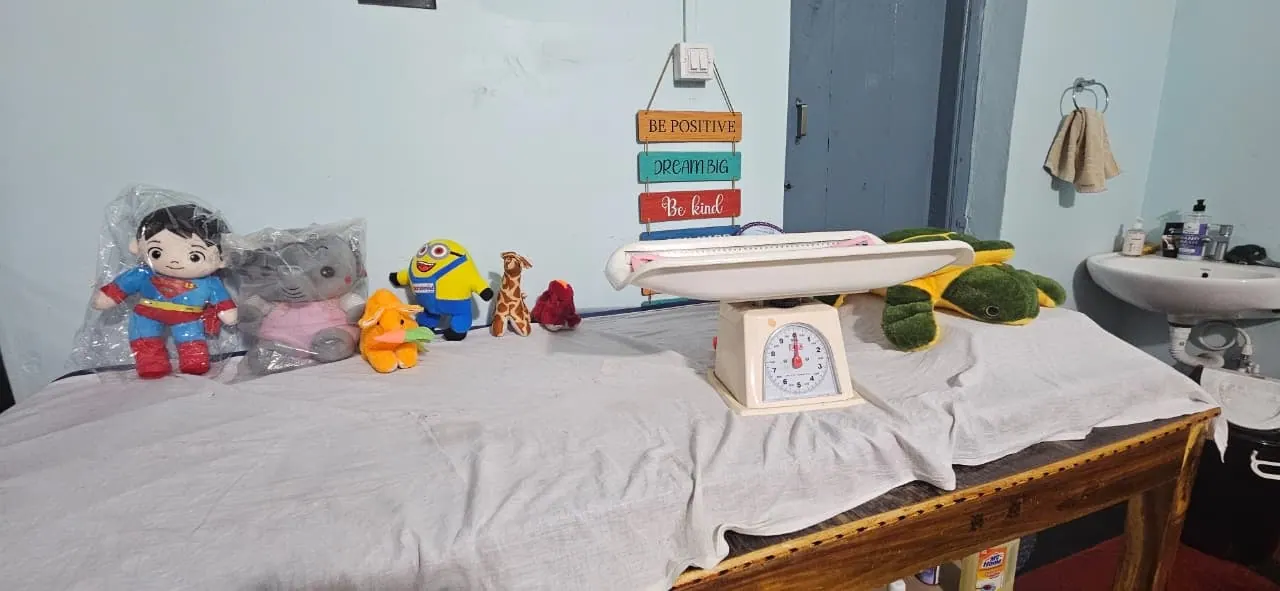
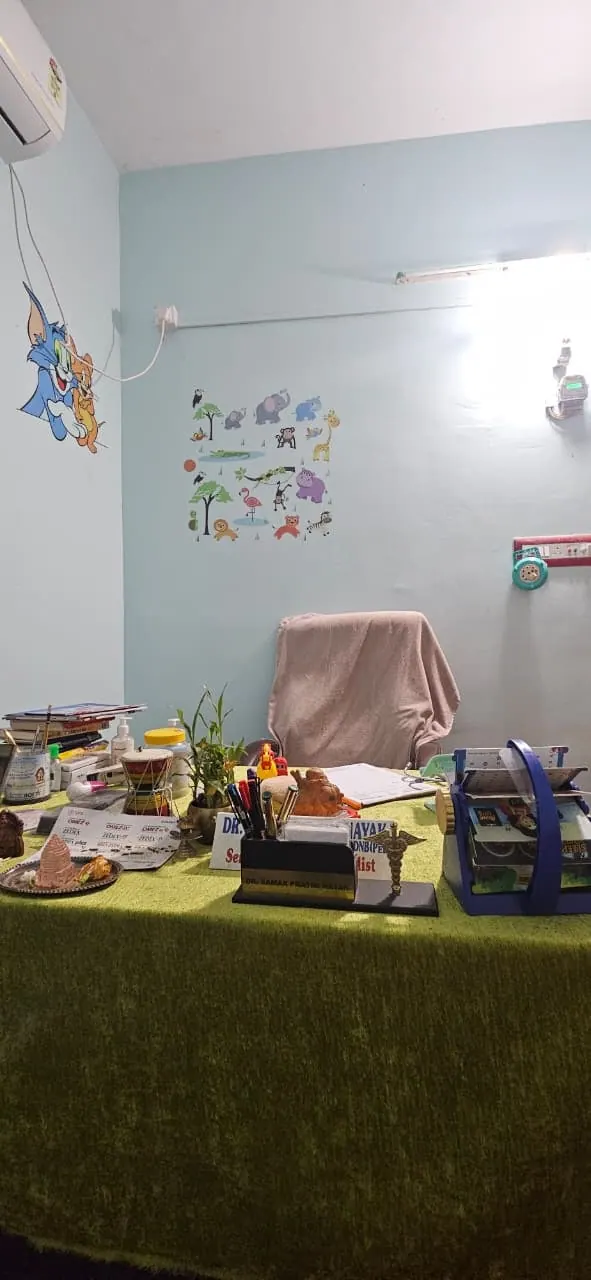
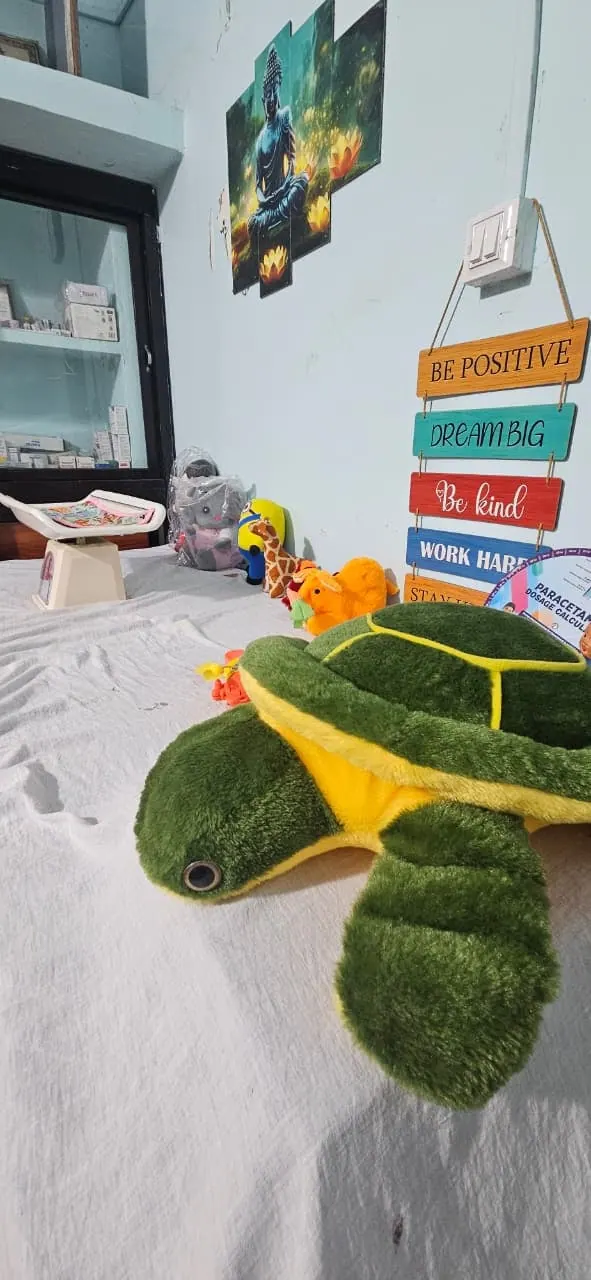
Vaccination at Sarojini Child and Dental Care, Soro
All types of childhood vaccination are given at the clinic under senior paediatrician Dr. Samar Pratim Nayak. Because stock can vary, please call +91 88955 87127 to confirm a specific vaccine before your visit.
Frequently asked questions
Can my child be vaccinated with a cold?
A mild illness often does not mean a vaccine has to be postponed, but the doctor will check your child first and decide what is safest.
Are vaccines safe?
Vaccines are tested carefully and monitored continuously. Serious reactions are rare; mild, short-lived side effects are common. Talk to the doctor about any concerns.